
Collagen Decline: Impact on Your Skin and Overall Health
Collagen is often described as the glue that holds our bodies together. As the most abundant protein in our skin, bones, muscles, and connective tissues, it plays a critical role in maintaining our skin's elasticity and overall health. However, as we age, collagen production naturally declines, leading to various changes in our skin and overall wellbeing. Understanding the implications of collagen decline not only aids in effective skincare strategies but also promotes general health.What is Collagen Decline?
Collagen decline refers to the gradual decrease in collagen levels within our bodies, often starting as early as our mid-20s. This phenomenon is accelerated by several factors such as:- **Aging:** The natural aging process diminishes our body’s ability to produce collagen.
- **UV Exposure:** Prolonged sun exposure degrades collagen fibers in the skin.
- **Smoking:** Tobacco smoke generates free radicals that harm collagen and elastin structures.
- **Poor Diet:** Diets low in nutrients can impede collagen synthesis.
- **Stress:** Increased stress levels can negatively impact skin health and collagen production.
Effects of Collagen Decline on Your Skin
As collagen levels decrease, the effects on the skin become visibly evident:1. Loss of Elasticity
With decreased collagen, the skin loses its firmness and elasticity. This change can lead to sagging skin, particularly around the jawline and cheeks.2. Wrinkle Formation
Wrinkles start to form as the skin loses its plumpness. Fine lines often appear first around the eyes and mouth, eventually deepening into more noticeable wrinkles.3. Dryness and Rough Texture
Low collagen levels contribute to decreased moisture retention, resulting in dry skin that can feel rough and flaky.4. Slower Wound Healing
Collagen is crucial for the skin’s healing process. A decline can slow down recovery from cuts, acne scars, or blemishes.Impact on Overall Health
Collagen is not just a beauty protein; it plays an essential role in overall health as well. The decline of collagen can adversely affect various body systems:- **Joint Health:** Collagen provides cushioning to the joints; its decline can lead to stiffness and pain.
- **Bone Health:** Collagen is vital for bone strength; lower levels increase the risk of fractures.
- **Gut Health:** Collagen supports the gut lining, and a deficiency can contribute to digestive issues.
- **Hair and Nail Growth:** Weak collagen leads to brittle nails and thinning hair.
How to Combat Collagen Decline
An effective approach to maintaining collagen levels evolves around a holistic lifestyle and supplementation. Consider the following tips:1. Nutrient-Rich Diet
Incorporate foods rich in:- **Vitamin C:** Essential for collagen synthesis, found in citrus fruits, strawberries, and bell peppers.
- **Amino Acids:** Found in protein sources like chicken, fish, eggs, and legumes.
- **Antioxidants:** Berries, nuts, and green leafy vegetables help combat oxidative stress.
2. Sun Protection
Utilize sunscreen daily to protect your skin from harmful UV rays that can break down collagen.3. Hydration
Keeping the body well-hydrated is vital for maintaining skin elasticity and overall health.4. Supplements: Benjamin Button Collagen
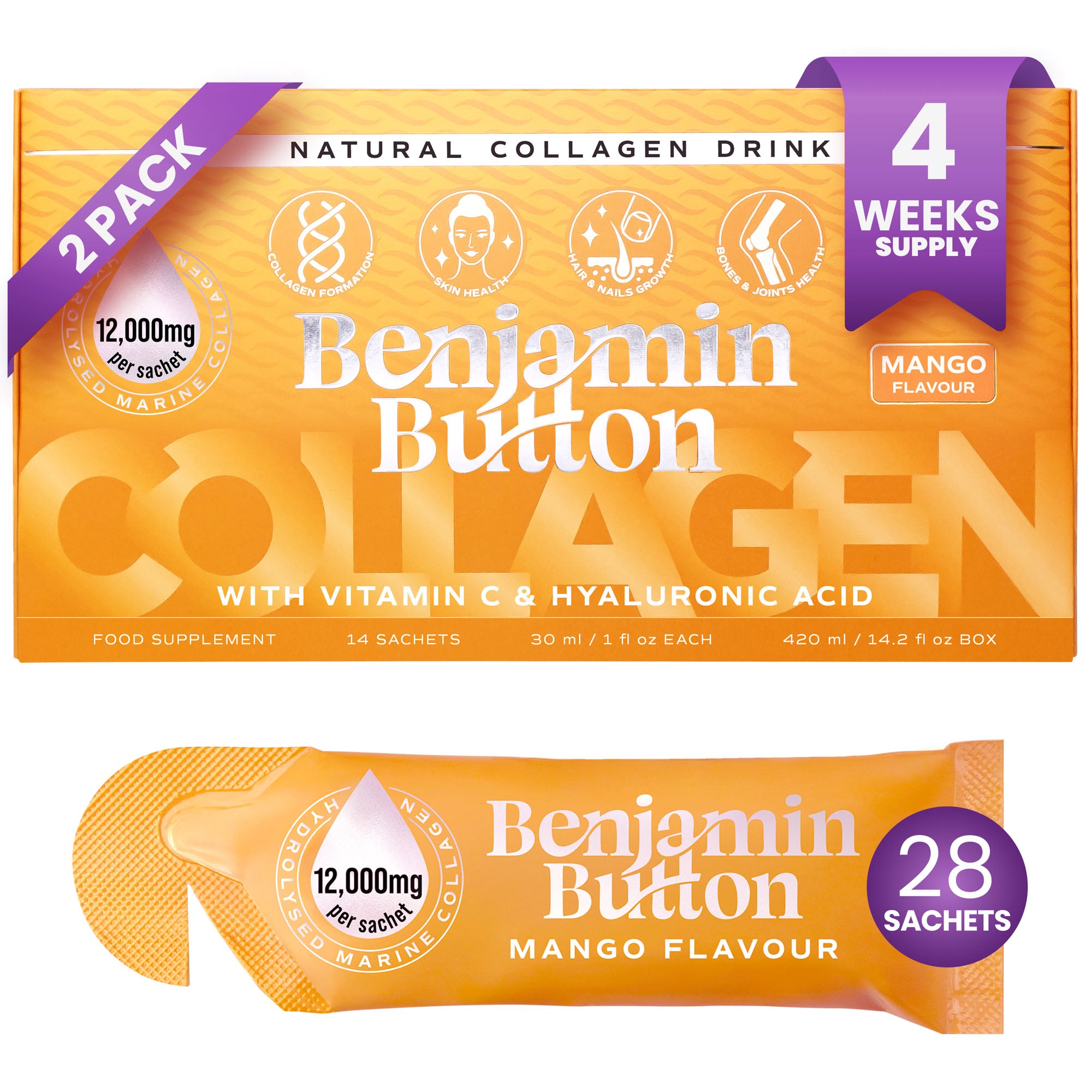
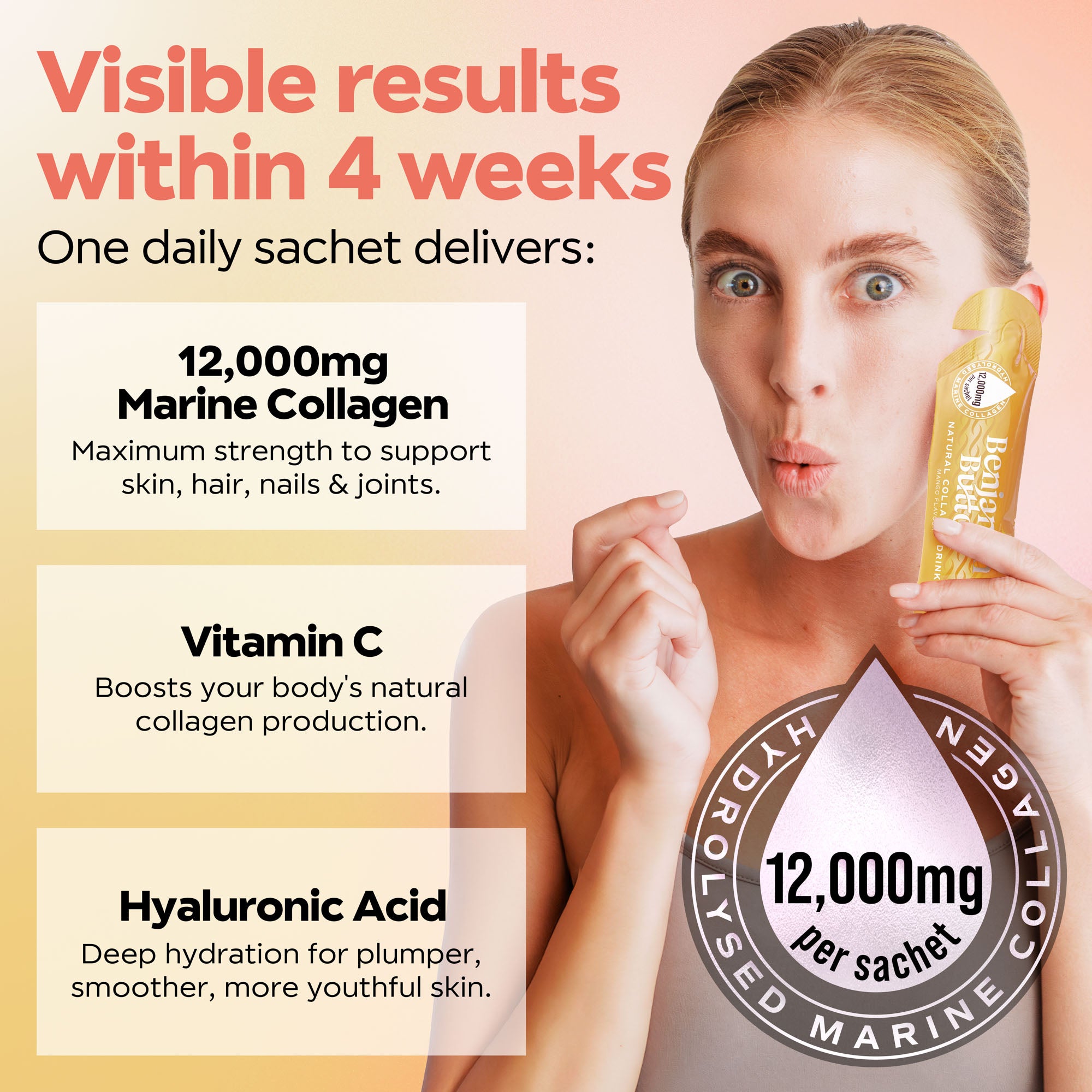
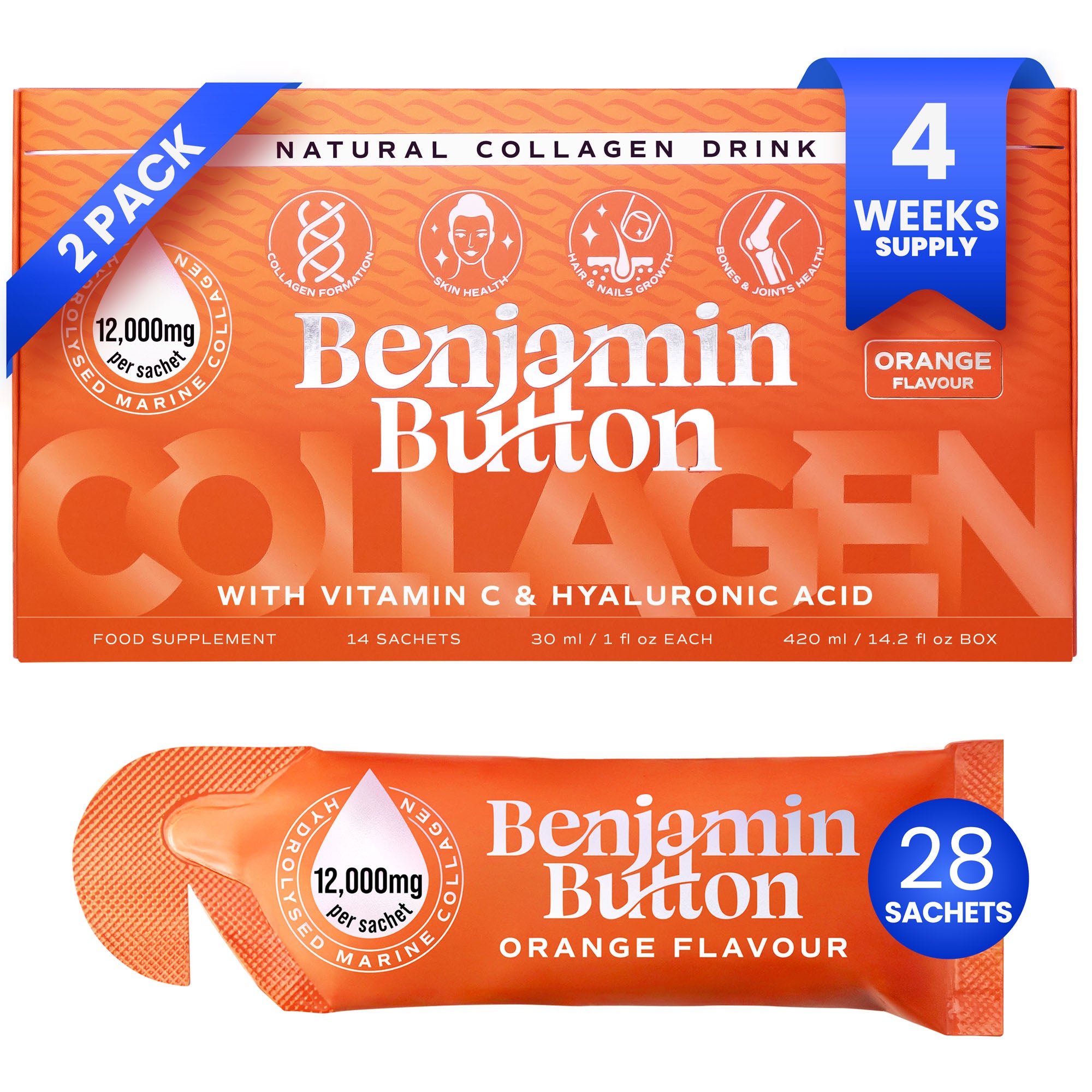
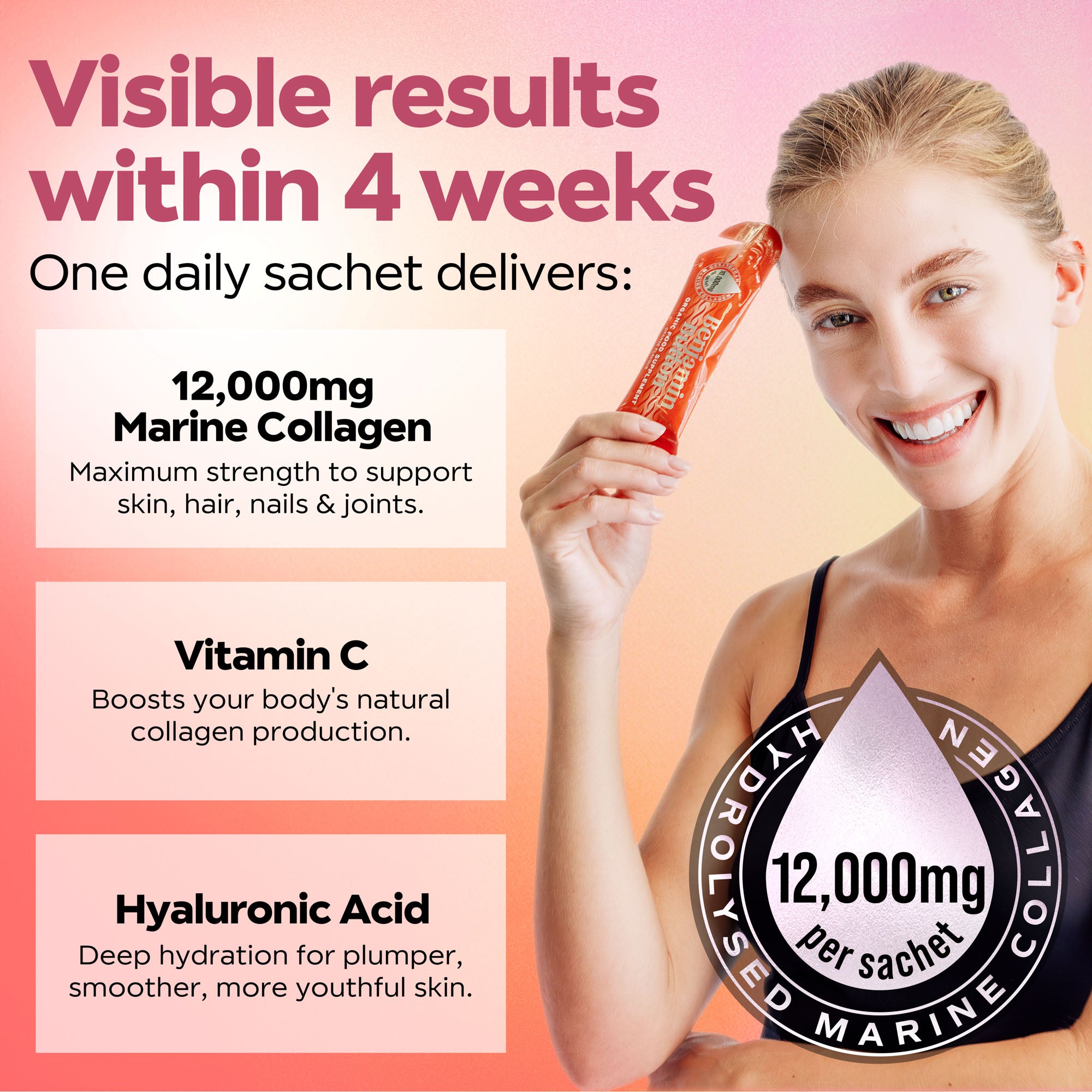
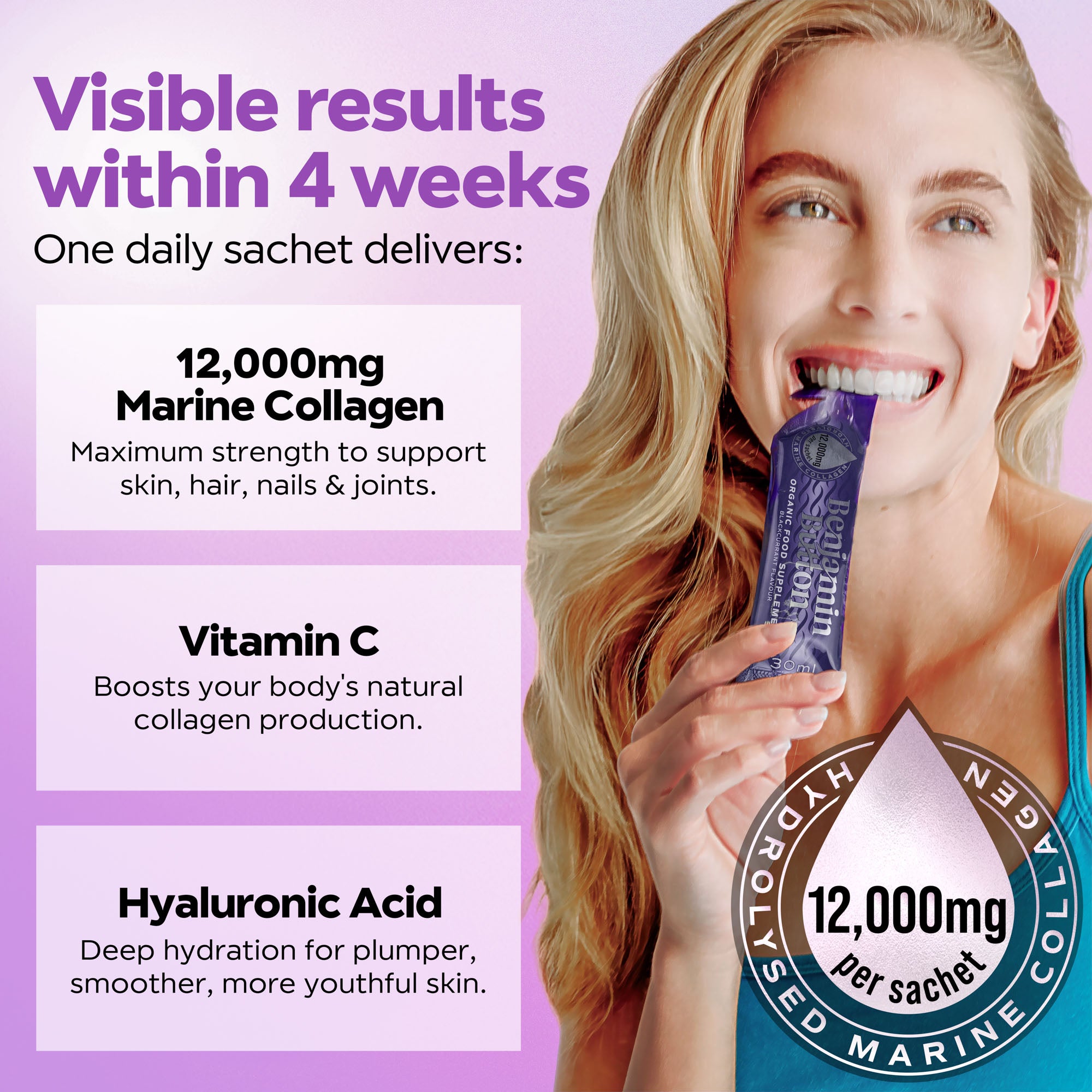
Among the various collagen supplements available, Benjamin Button stands out as a premium option. Their 12,000mg Hydrolysed Marine Liquid Collagen is uniquely formulated for maximum benefits, featuring:- Convenient liquid form with up to 95% absorption within just 30 minutes.
- Delicious flavors including mango, orange, and blackcurrant, making the supplement enjoyable.
- Infused with 60mg of Vitamin C, amplifying collagen absorption and effectiveness.
- Contains sodium hyaluronate, enhancing skin hydration and elasticity.
- As seen on Ideal World TV, gaining trust from many satisfied users.