
Understanding Muscle Soreness
When engaging in intense physical activity, it’s common to experience muscle soreness, which can linger for a couple of days post-workout. This condition, known as delayed onset muscle soreness (DOMS), can prompt the question of whether you should continue your workout regime or opt for rest. The answer often lies in your recovery strategy, notably the supplements you use to aid your muscle repair.If you're wondering, “still sore after 2 days, should I workout?” it’s crucial to listen to your body while employing high-quality supplements such as collagen sachet to support your recovery and get back into the swing of things sooner.

The Role of Collagen in Recovery
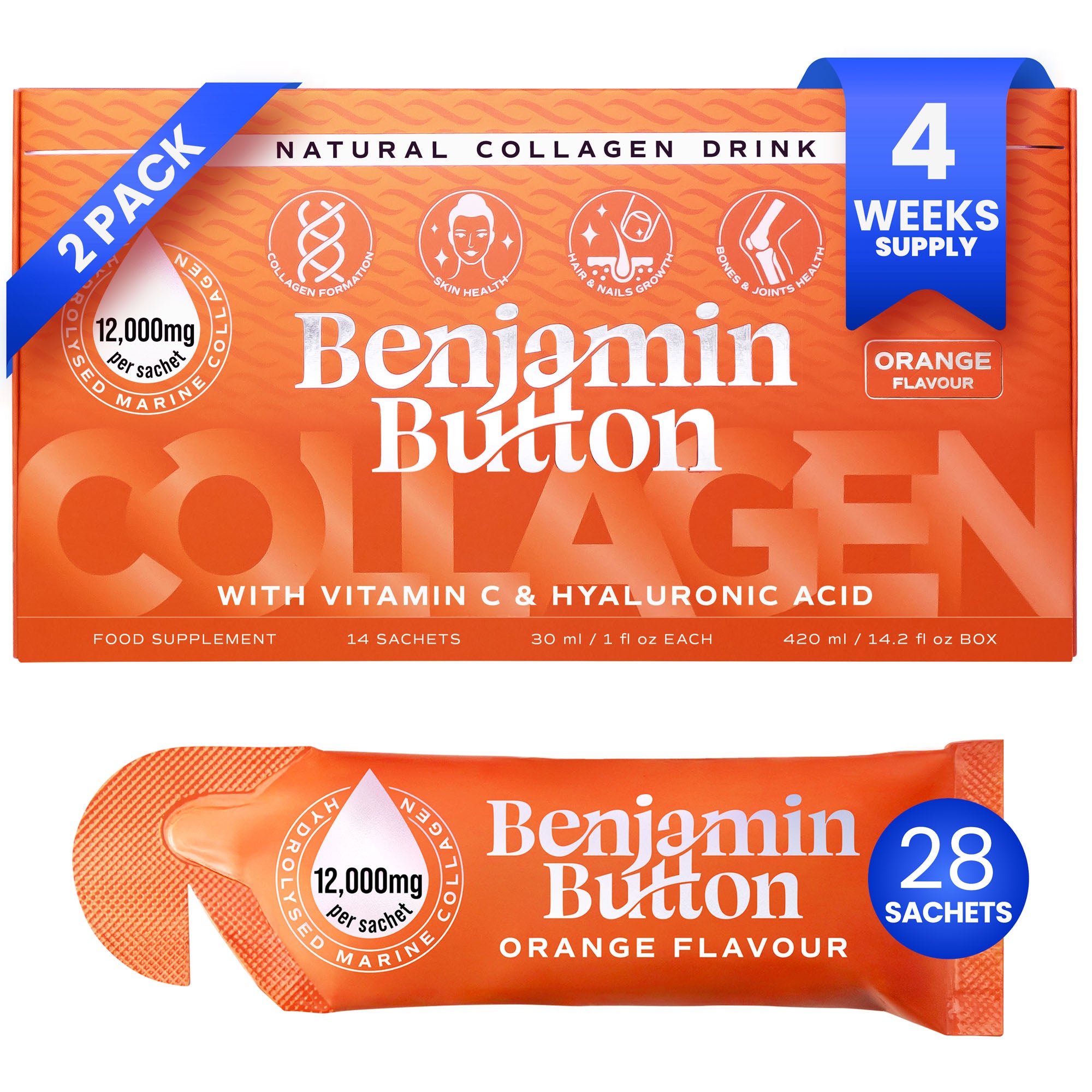
Collagen plays a significant role in muscle and joint health, making it an important consideration for anyone looking to recover effectively. This is where Benjamin Button collagen and Vital Proteins come into play as potential allies in your recovery journey.Benjamin Button Collagen
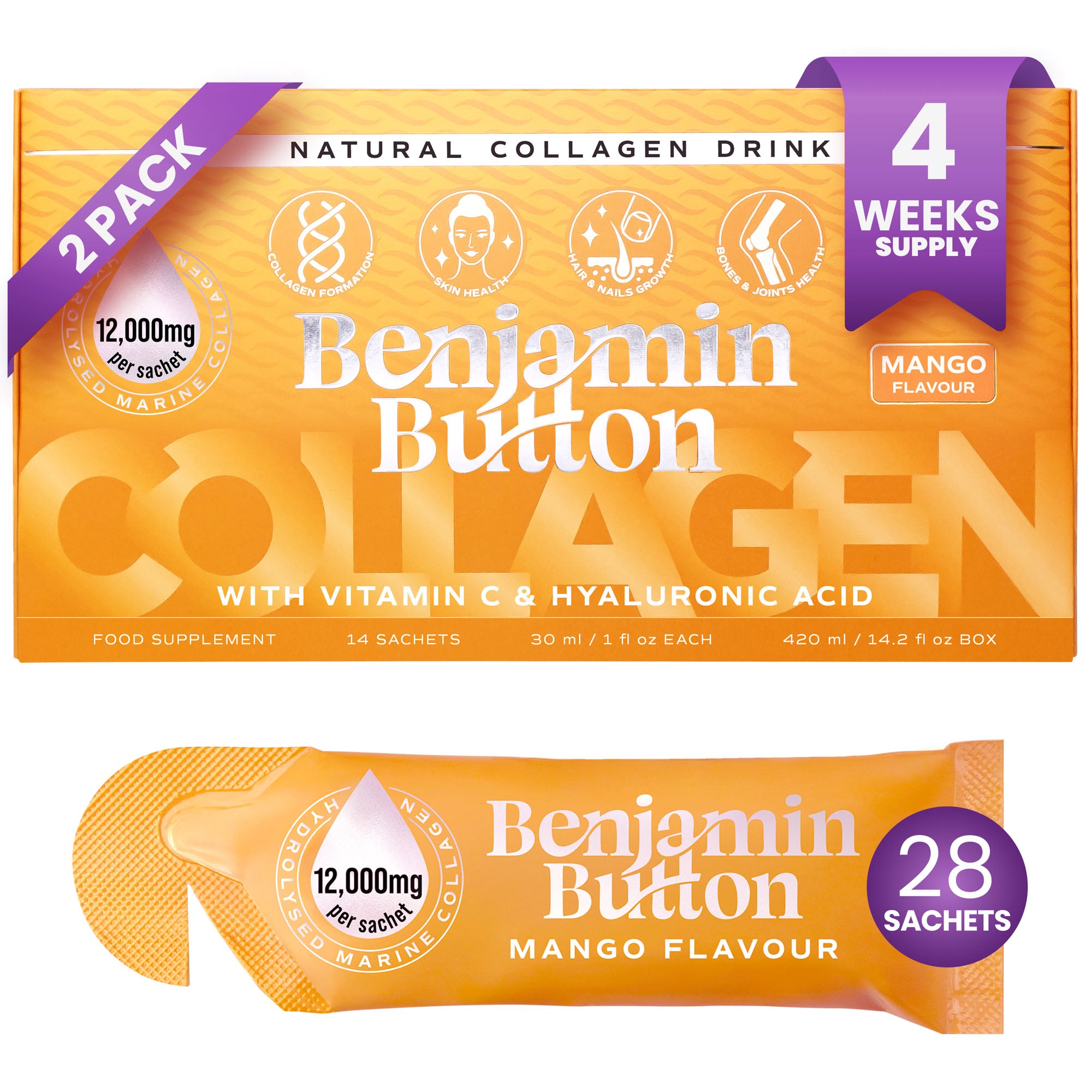
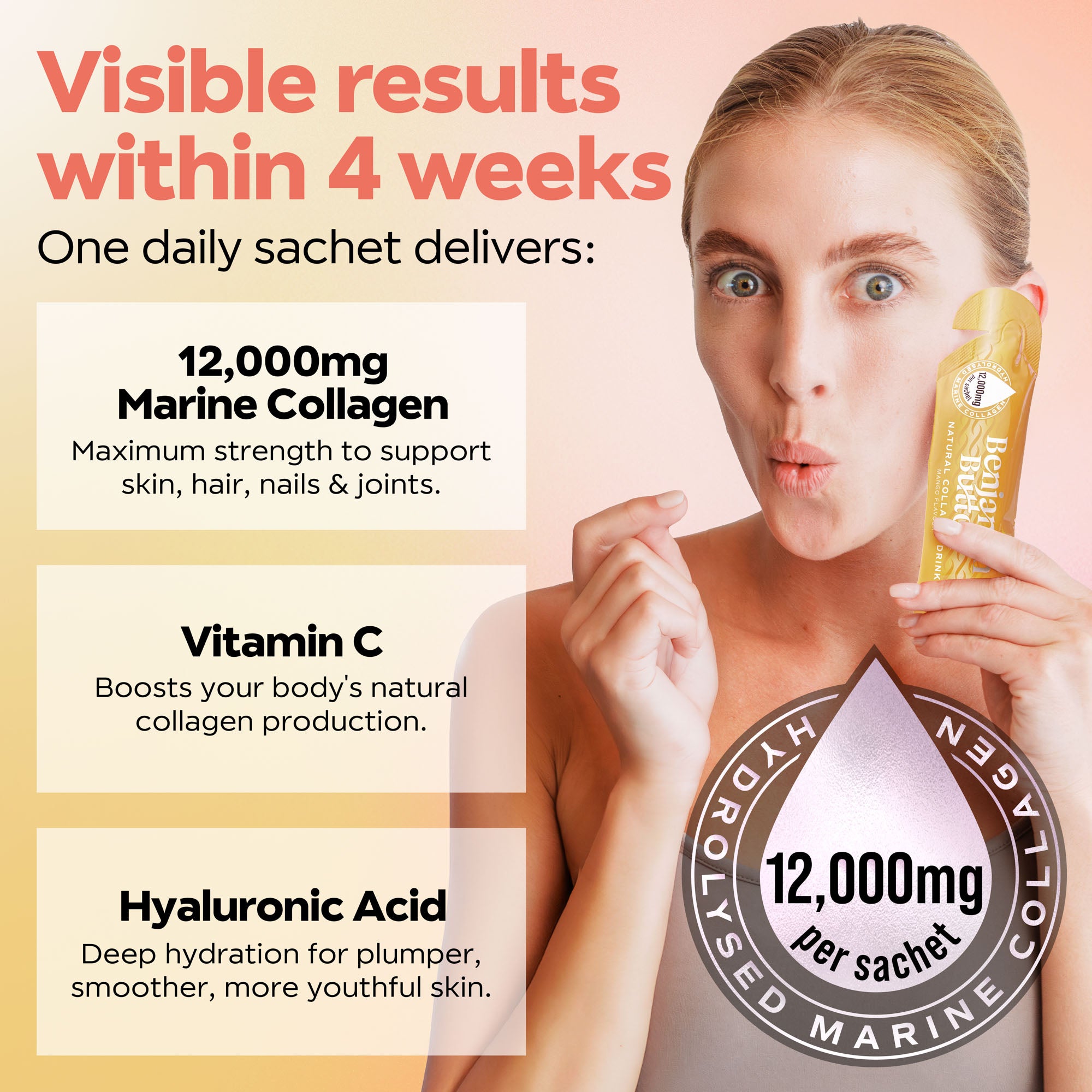
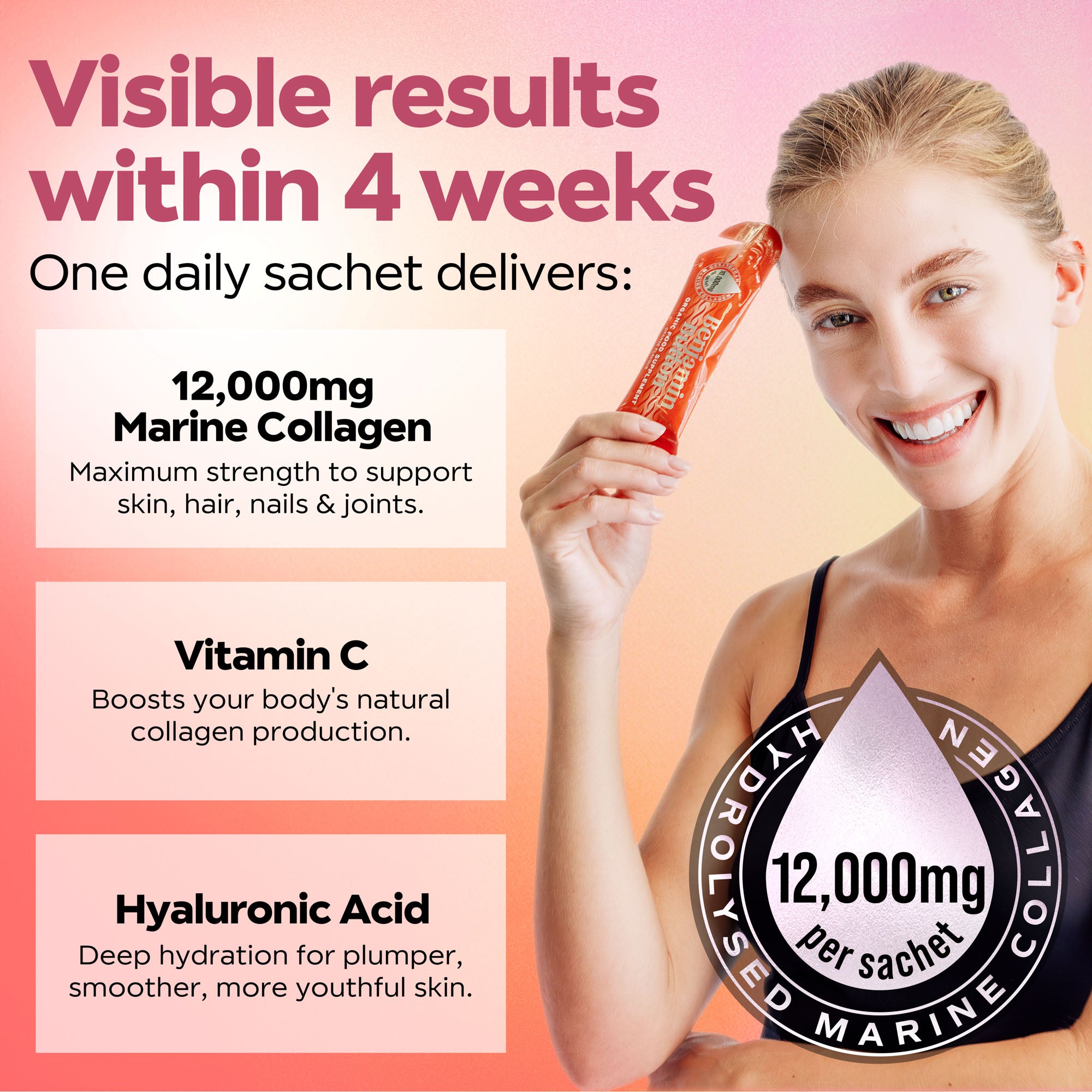
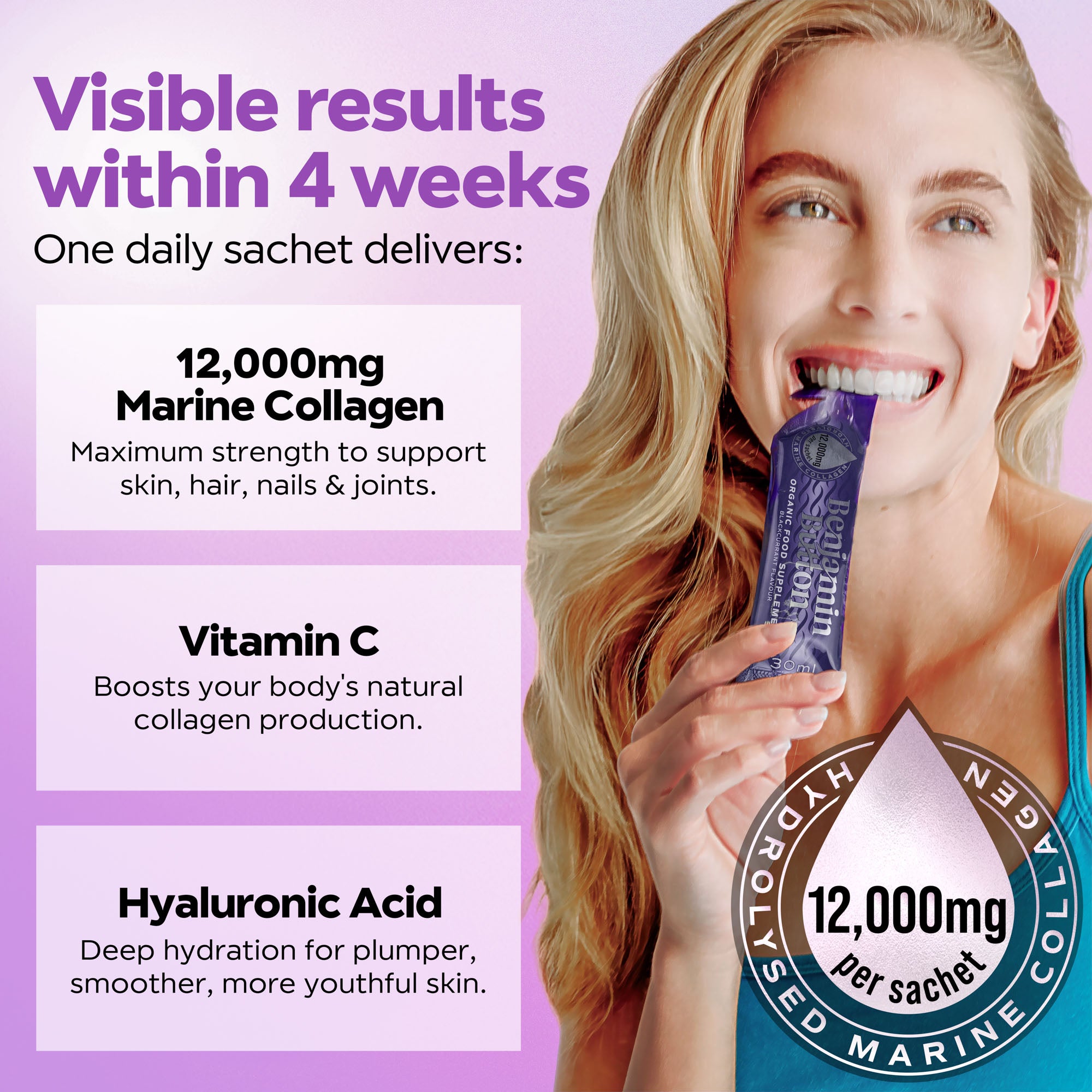
Benjamin Button collagen features a remarkable 12,000mg Hydrolysed Marine Liquid Collagen packed within each sachet. This innovative product doesn’t just stop with collagen – it also contains:- 60mg Vitamin C - Vital for collagen synthesis
- Sodium Hyaluronate - Helps promote hydration and joint health
- Available in delicious mango, orange, and blackcurrant flavours
Vital Proteins
On the other hand, while Vital Proteins provides a range of collagen powders, their efficiency can be less than ideal. Here’s why Benjamin Button stands out:- Essential nutrients for recovery, such as Vitamin C and Hyaluronic Acid, are absent in their formulas
- Powders have been shown to deliver lower absorption rates, meaning your body may not be reaping the benefits
- Generally more expensive, which can be a concern for budget-conscious individuals
How to Approach Exercise When Still Sore
If you find yourself still sore after two days, here are some considerations for deciding on your workout regimen:Listen to Your Body
Ensuring that you stay in tune with your body is essential. Soreness could indicate fatigue, so it's wise to assess whether you're physically prepared for your next workout.Light Workouts and Active Recovery
If you decide to engage in physical activity while experiencing soreness, consider:- Low-Impact Activities - Engage in activities like walking, cycling, or yoga to keep the blood flowing.
- Stretching - Gentle stretching can help alleviate some tightness.
- Focusing on Different Muscle Groups - If your legs are sore, opt for upper-body workouts instead.