Collagen for Kids: Ensuring Safety and Exploring Benefits
As the discussions around health supplements continue to grow, a key focus has emerged: collagen supplements and their role in enhancing children's health. With increasing interest, parents are asking, "Can kids take collagen?" Understanding the safety and potential benefits of marine collagen for children is crucial for making well-informed decisions. Current research points towards collagen not only enhancing skin health and joint support but also potentially boosting the immune system. Let's explore how to incorporate collagen drinks into your child's diet safely, choosing high-quality collagen products free from harmful additives and sugars. Consulting a healthcare professional is advisable to ensure these are suitable for your child's unique health needs. Delicious, collagen-rich foods like bone broth and tasty options like collagen smoothies, gummies, or powders can be enjoyable additions to their meals.
Can Kids Take Collagen?
Serving as the body's fundamental building block, collagen comprises over 30% of the body's total proteins. While often associated with adult health benefits like improved skin and joint health, interest in collagen's suitability for children and teenagers is rising. During significant growth phases, children may benefit from collagen's role in supporting developmental needs. Although traditionally marketed towards adults, studies indicate no adverse safety concerns about collagen consumption for children and teenagers when taken responsibly.
Understanding the Benefits of Collagen for Teenagers
1. Adapting to Hormonal Changes and Supporting Skin Health
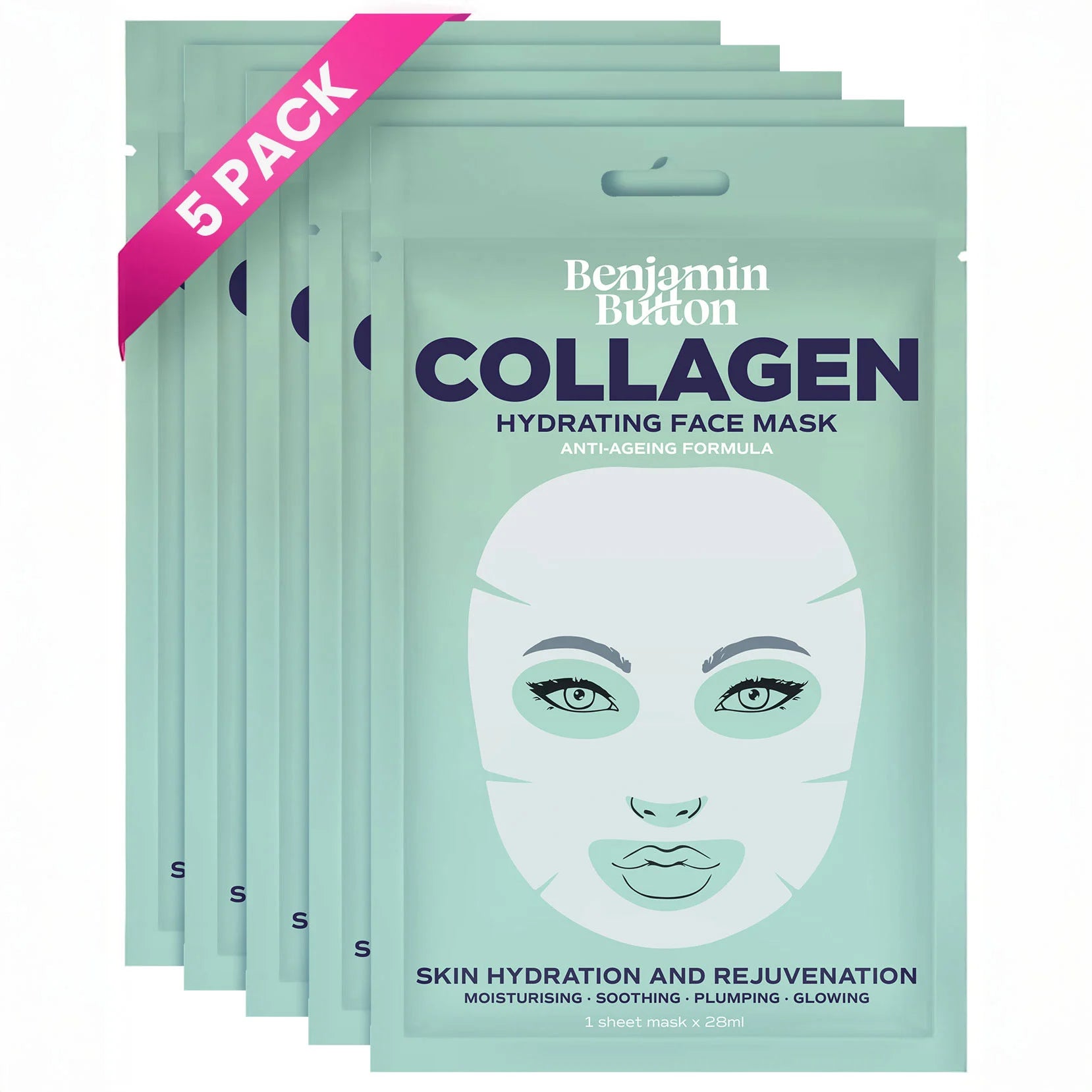
Teenagers experience significant hormonal changes, leading to skin challenges such as acne and dryness. Collagen masks, especially Type I, are known to enhance skin elasticity and hydration, supporting teens through these transitional years.
2. Joint Health for an Active Lifestyle
Involved in sports or physically demanding activities, teenagers place considerable stress on their joints. Collagen provides amino acids, such as glycine and proline, supporting joint flexibility and robustness. These nutrients are vital in ensuring strong, resilient bones.
3. Promoting Hair and Nail Growth
Appearance is notably important for teenagers, and collagen plays a role in maintaining healthy hair and nails. With its protein-rich profile, collagen contributes to the integrity and strength of these features.
4. Supporting Immunity
Collagen's role in immunity is tied to amino acids that aid in tissue repair and maintaining a healthy gut barrier. A fortified gut barrier prevents harmful substances from entering the bloodstream, enhancing the body's capacity to fend off illnesses.
Research and Safety Considerations for Collagen in Youth
Although much of the research on collagen has been conducted in adults, no evidence has surfaced indicating that collagen poses risks to children or teenagers when consumed in moderation. It is generally regarded as safe, provided the source is reputable. Avoid products with harmful additives or excess sugars, as they aren't suitable for younger individuals. Consulting a healthcare provider before introducing marine collagen into your child’s diet remains a prudent approach. At Benjamin Button, we offer products without these additives, like our collagen sachet, which supports all life stages, including children's health, in delightful mango, orange, and blackcurrant flavors. Notably, it boasts up to 95% absorption within just 30 minutes alongside an infusion of 60mg of Vitamin C and sodium hyaluronate.

Overview
In suitable, moderated amounts, collagen supplements can bring numerous benefits to teenagers and children, from supporting joint health to enhancing skin and nail care. It is crucial to choose high-quality collagen from well-regarded sources, avoiding products with unnecessary additives and sugars, which can harm young consumers. Consulting with healthcare professionals ensures that collagen aligns with individual well-being needs. Benjamin Button champions products supporting children's growth and general wellness, making them an exemplary choice over typical alternatives. Our commitment to quality ensures that your child's health benefits greatly and safely from our offerings.
```htmlFrequently Asked Questions
1. Is collagen safe for kids?
Yes, collagen is generally considered safe for children when taken in moderation and sourced from reputable brands. It's important to choose products without harmful additives or excess sugars.
2. What are the benefits of collagen for children?
Collagen can help with skin health, joint support, and overall wellness. It may also promote hair and nail growth, while supporting immune function.
3. At what age can children start taking collagen supplements?
While there is no specific age requirement, it's advisable to consult a healthcare professional before introducing collagen into a child's diet, especially for those under 12 years old.
4. How should I incorporate collagen into my child's diet?
Collagen can be incorporated into your child's diet through supplements like powders, gummies, or liquid formats, or by including collagen-rich foods such as bone broth.
5. Can collagen help with my teenager's acne?
Collagen, particularly Type I, may support skin hydration and elasticity, potentially aiding in the management of acne and other skin issues experienced during teenage years.
6. Are there any side effects of collagen for kids?
When consumed in appropriate amounts, collagen typically does not have side effects in children. However, it's essential to monitor for any unusual reactions and consult a healthcare provider if concerns arise.
7. How much collagen should I give my child?
The appropriate amount of collagen can vary based on age and health needs. Discuss with a healthcare professional for tailored advice regarding dosage for your child.
8. Can collagen help support my child's immune system?
Yes, collagen contains amino acids that support tissue repair and help maintain a healthy gut barrier, which is crucial for a robust immune system in children.
9. What types of collagen are best for kids?
Type I collagen is considered best for skin health, while Type II collagen may be more beneficial for joint support. Look for high-quality sources when selecting collagen products.
10. Where can I find high-quality collagen products for kids?
Look for reputable brands that prioritize purity and safety, such as Benjamin Button, which offers collagen products specifically formulated for children's health.
```