Collagen production begins declining from your mid-20s. Here's what's actually happening to your skin in your 30s - and the evidence-backed ingredients that make a genuine difference.
You haven't changed your routine. You're sleeping reasonably well. You're drinking enough water. And yet - something is different. Your skin feels less bouncy. Fine lines are staying put. Your foundation sits differently. If this sounds familiar, you're not imagining it. And there's a very specific biological reason it's happening.
The changes women experience in their late 20s and 30s aren't random. They follow a predictable biological pattern rooted in one key protein: collagen. Understanding what's actually happening inside your skin is the first step to doing something genuinely useful about it.
The Collagen Clock: When Does It Start?
Collagen is the most abundant protein in the human body, making up around 75–80% of your skin's dry weight. It acts as the structural scaffold beneath the surface - giving skin its firmness, plumpness, and ability to spring back. It's also what makes young skin look distinctly young.
The uncomfortable truth: collagen production begins declining from around age 25, at a rate of roughly 1% per year. By your mid-30s, you've already lost around 10% of your baseline collagen levels. By your mid-40s, that figure reaches 20–25%. The loss is gradual enough that most women don't notice it prominently until their early 30s - but the process started years earlier.
What makes this more complicated: the decline doesn't happen at a constant rate. Hormonal fluctuations, lifestyle, UV exposure, and diet can all accelerate it significantly - which is why two women the same age can have noticeably different skin. One isn't "ageing better." She's experiencing fewer collagen-depleting factors.
What's Actually Happening Beneath Your Skin
Collagen is produced by cells called fibroblasts, which sit in the dermis - the deep layer of skin beneath the surface. These cells are busy in your 20s, producing new collagen fibres to replace those that break down naturally. As you age, fibroblast activity slows. On top of that, the collagen fibres that do exist become disorganised and cross-linked, making them stiffer and less functional.
Simultaneously, your skin's production of hyaluronic acid also declines. Hyaluronic acid is responsible for water retention in the skin. Less of it means less moisture, and less moisture means fine lines become more visible and skin loses that dewy plumpness it had in your 20s.
The result of these combined changes: skin that is thinner, less elastic, slower to bounce back, more prone to visible lines, and more reactive to environmental stressors. Not because anything has gone wrong - because normal biological ageing is working exactly as designed.
What Makes It Worse: The Accelerators
Biology sets the baseline, but lifestyle factors can significantly speed up the timeline. If you've noticed your skin changing faster than you'd expect, one or more of these could be contributing.
UV Exposure
Sun damage is the single biggest extrinsic cause of premature skin ageing. UV radiation triggers the production of enzymes called matrix metalloproteinases (MMPs), which actively break down existing collagen. Even modest daily sun exposure without protection - the commute, walking to lunch - accumulates over time. Daily SPF is not optional if collagen preservation is a priority.
Sugar and Refined Carbohydrates
A process called glycation occurs when excess sugar in the bloodstream bonds with collagen fibres, making them stiff and brittle. Glycated collagen can't function properly and contributes to dull, sallow-looking skin. A diet high in refined sugars is measurably damaging to skin structure over time.
Chronic Stress
Cortisol - the body's primary stress hormone - inhibits collagen synthesis directly. Sustained high cortisol levels slow the fibroblasts responsible for producing new collagen and increase skin sensitivity and inflammation.
Smoking
Smoking reduces blood flow to the skin, depriving it of oxygen and nutrients. It also generates free radicals that damage collagen and elastin directly. Smokers consistently show accelerated skin ageing compared to non-smokers of the same age.
Poor Sleep
The majority of skin repair and collagen synthesis happens during sleep, particularly in the deep sleep phases. Chronic poor sleep interrupts this repair window and elevates inflammatory markers that break down collagen faster. Eight hours isn't vanity - it's maintenance.
What the Evidence Says Actually Helps
There's a lot of noise in the skin health space. Ingredients with convincing-sounding names that do very little. And then there are the ingredients with genuine, peer-reviewed evidence behind them.
Hydrolysed Marine Collagen
Oral collagen supplementation has a growing body of clinical evidence behind it. Multiple randomised controlled trials have demonstrated improvements in skin elasticity, hydration, and the reduction of fine lines with consistent daily supplementation. The key word is hydrolysed - this means the collagen has been broken down into small peptides, which are absorbed significantly more efficiently than intact collagen protein.
Marine collagen is particularly well-suited to skin health because it is predominantly Type I collagen - the same type that makes up the majority of your skin, hair, and nails. It also has a smaller peptide size than bovine collagen, contributing to superior absorption. At 12,000mg per serving, Benjamin Button's liquid marine collagen delivers a clinically meaningful dose in a bioavailable format, with up to 95% absorption within 30 minutes.
Vitamin C
Vitamin C is a co-factor in the synthesis of collagen - your body cannot produce new collagen without it. It also acts as a powerful antioxidant that neutralises the free radicals responsible for collagen degradation. Each Benjamin Button sachet contains 60mg of Vitamin C, working alongside the marine collagen to support the body's own production process.
Sodium Hyaluronate
Hyaluronic acid levels decline with age. Sodium hyaluronate is the salt form of hyaluronic acid with a lower molecular weight - meaning it penetrates the skin more effectively. Taken orally, it has been shown to improve skin hydration and reduce the depth of fine lines by helping the skin retain moisture from the inside out.
SPF - The Non-Negotiable
No supplement or serum will protect you from UV-induced collagen degradation as effectively as a daily broad-spectrum SPF. This isn't part of an anti-ageing "routine" - it's the baseline. Everything else you do works better when it's in place.
How to Build a Routine That Supports Your Skin
- Morning, on an empty stomach: Take your collagen sachet. Absorption is higher when the digestive system isn't processing a full meal. Benjamin Button comes in mango, orange, and blackcurrant - it's not a chore.
- After breakfast: Apply SPF. Every day, all year. Clouds don't filter UV.
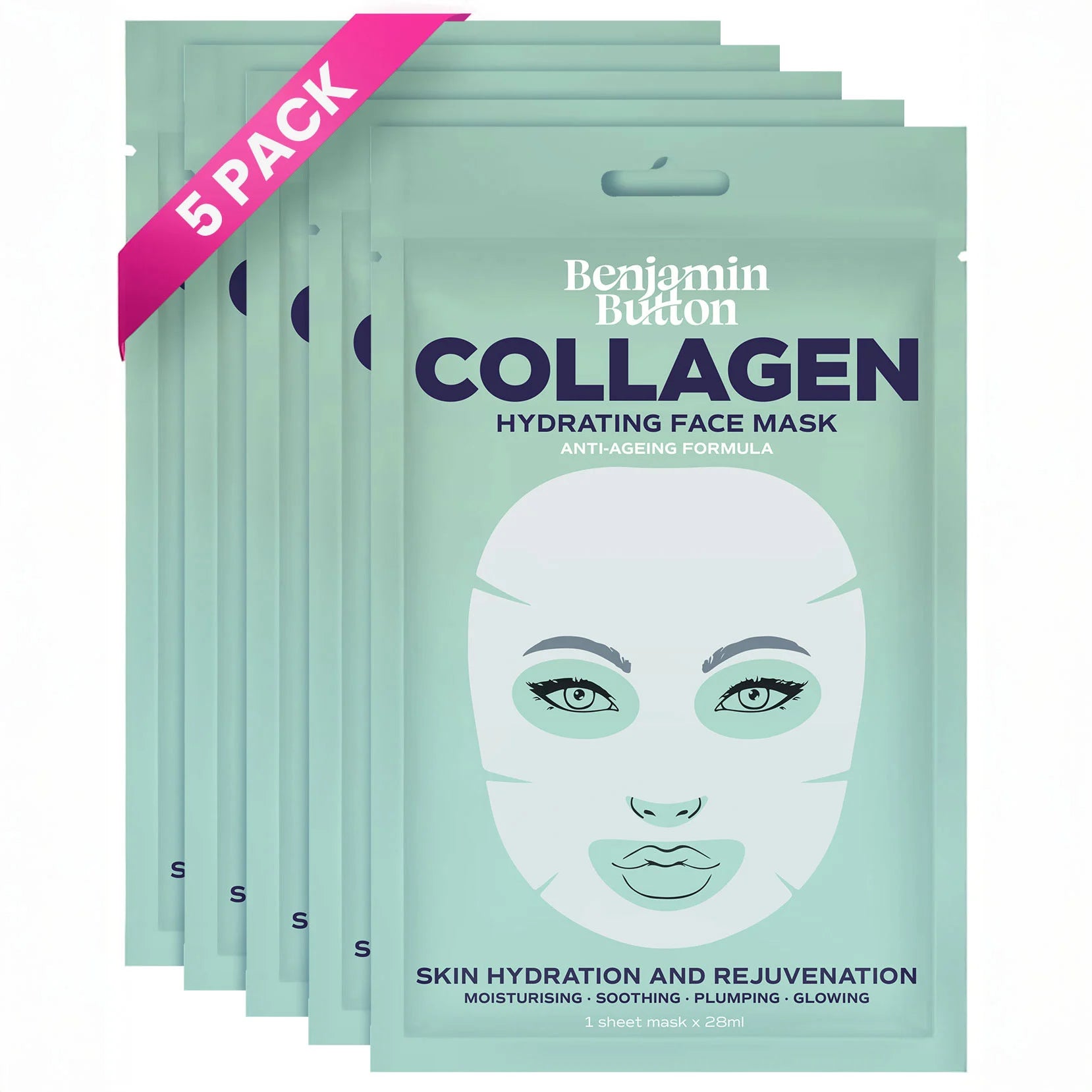
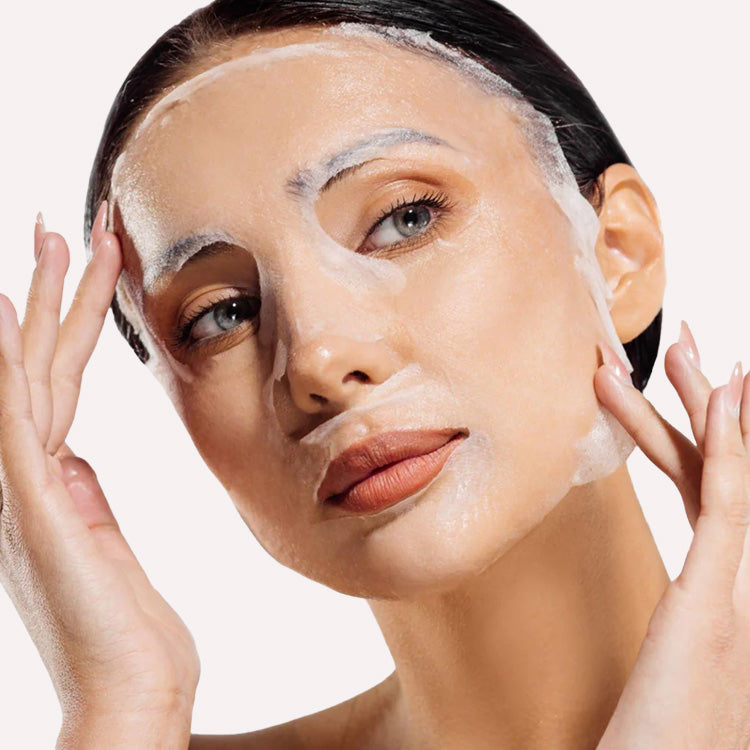
- Evening: Use a hydrating face mask weekly to support the skin barrier and replenish moisture from the outside, complementing what the collagen is doing from within.
- Consistently, for 8–12 weeks minimum: Collagen supplementation works by gradually increasing collagen density in the dermis. The results are cumulative, not overnight.
When Will You See Results?
Most women taking a high-dose, high-absorption liquid collagen supplement report noticing improved skin hydration within 2–4 weeks. Changes in skin elasticity and a visible reduction in fine lines typically emerge at the 8–12 week mark, as the body has had sufficient time to increase collagen density in the dermis.
Hair and nail changes - stronger nails, less breakage, thicker hair - are frequently reported alongside skin improvements, because collagen supports all three.
What you will not get: results from taking collagen for two weeks and stopping. Or from a product dosed so low it can't have a meaningful effect. Dose and consistency are everything.
The Bottom Line
Your skin changing in your 30s is biology, not failure. Collagen production declines on a predictable timeline, accelerated by factors many of us are exposed to daily. The response isn't panic or an expensive shelf of products - it's understanding which ingredients have evidence behind them, using them consistently, and protecting what you have.
Marine collagen at a meaningful dose, with Vitamin C and sodium hyaluronate, alongside daily SPF and sensible sleep, is as evidence-based as skin health gets.
Frequently Asked Questions
At what age does collagen start to decline?
Collagen production begins declining from around age 25, at approximately 1% per year. Most women don't notice visible effects until their early to mid-30s, but the underlying decline starts earlier. This is why beginning collagen supplementation in your late 20s or early 30s is considered preventative as much as corrective.
Can you actually replace lost collagen?
You can't reverse the biological decline in fibroblast activity, but you can support your body's ongoing collagen synthesis by providing the raw materials it needs (marine collagen peptides, Vitamin C) and by reducing lifestyle factors that accelerate collagen breakdown. Clinical evidence supports meaningful improvements in skin elasticity and hydration with consistent supplementation.
Is liquid collagen better than collagen powder or capsules?
Liquid hydrolysed collagen offers a significant absorption advantage. Because the collagen has already been broken down into small peptides in liquid form, the digestive system can absorb it more quickly and efficiently than larger particles in powder or capsule form. Benjamin Button's liquid formula achieves up to 95% absorption within 30 minutes.
How much collagen should I take per day for skin benefits?
Clinical studies showing meaningful skin benefits typically use doses of 5,000–10,000mg per day, with higher doses associated with stronger results. Many cheaper supplements are dosed far below this threshold. Benjamin Button provides 12,000mg per sachet - a clinically relevant dose.
How long does it take for collagen supplements to work?
Improved skin hydration is often noticed within 2–4 weeks. Visible improvements in skin elasticity and fine lines typically require 8–12 weeks of consistent daily supplementation. Hair and nail changes are also commonly reported within this timeframe.
Does diet affect collagen levels?
Significantly. A diet high in refined sugar accelerates a process called glycation that damages collagen fibres. Foods rich in Vitamin C support collagen synthesis. Protein-rich diets also provide the amino acids - glycine, proline, and hydroxyproline - that the body uses to build collagen. Supplementation works best alongside a diet that supports rather than undermines it.
Is marine collagen suitable if I'm pregnant or breastfeeding?
Marine collagen is generally considered safe, but if you are pregnant or breastfeeding you should consult your GP or midwife before starting any new supplement.