Understanding the Difference Between Plasma and Serum for Nigerians
When it comes to understanding components of blood, such as plasma and serum, it can be a bit confusing, especially considering the important roles they play in healthcare and beauty products. For Nigerians, having clear information can improve awareness and utilization in various fields, especially skincare.What is Plasma?
Plasma is the liquid component of blood, making up about 55% of its overall content. It is a pale yellow fluid that consists primarily of water, but it contains numerous essential elements including:- Proteins: These include albumin, globulins, and fibrinogen, which are crucial for various bodily functions such as blood clotting and immune response.
- Nutrients: Glucose, vitamins, and minerals that provide energy and support cellular functions.
- Hormones: These are critical for communication between different parts of the body.
- Waste Products: Such as urea and creatinine, which the body needs to eliminate.
What is Serum?
Serum, on the other hand, is the liquid part of blood that remains after the blood has clotted. It is essentially plasma minus the clotting factors. Serum is commonly used in laboratory tests for diagnosing various health conditions. Key components include:- Electrolytes: These are vital for a variety of functions in the body including nerve conduction and muscle function.
- Hormones and Antibodies: Important for various biological functions and immune response.
- Waste Products: Similar to plasma, serum also carries waste products that need to be processed by the kidneys.
Key Differences Between Plasma and Serum
While both plasma and serum are vital for different medical purposes, there are several notable differences between them:- Composition: Plasma contains clotting factors, while serum does not.
- Collection Method: Plasma is obtained from blood that’s been treated with anticoagulants, while serum is obtained after blood clots and is then centrifuged.
- Use in Medicine: Plasma is often used for blood transfusions and therapeutic treatments; serum is primarily used for laboratory diagnostics.
Skin Care and the Importance of Effective Products
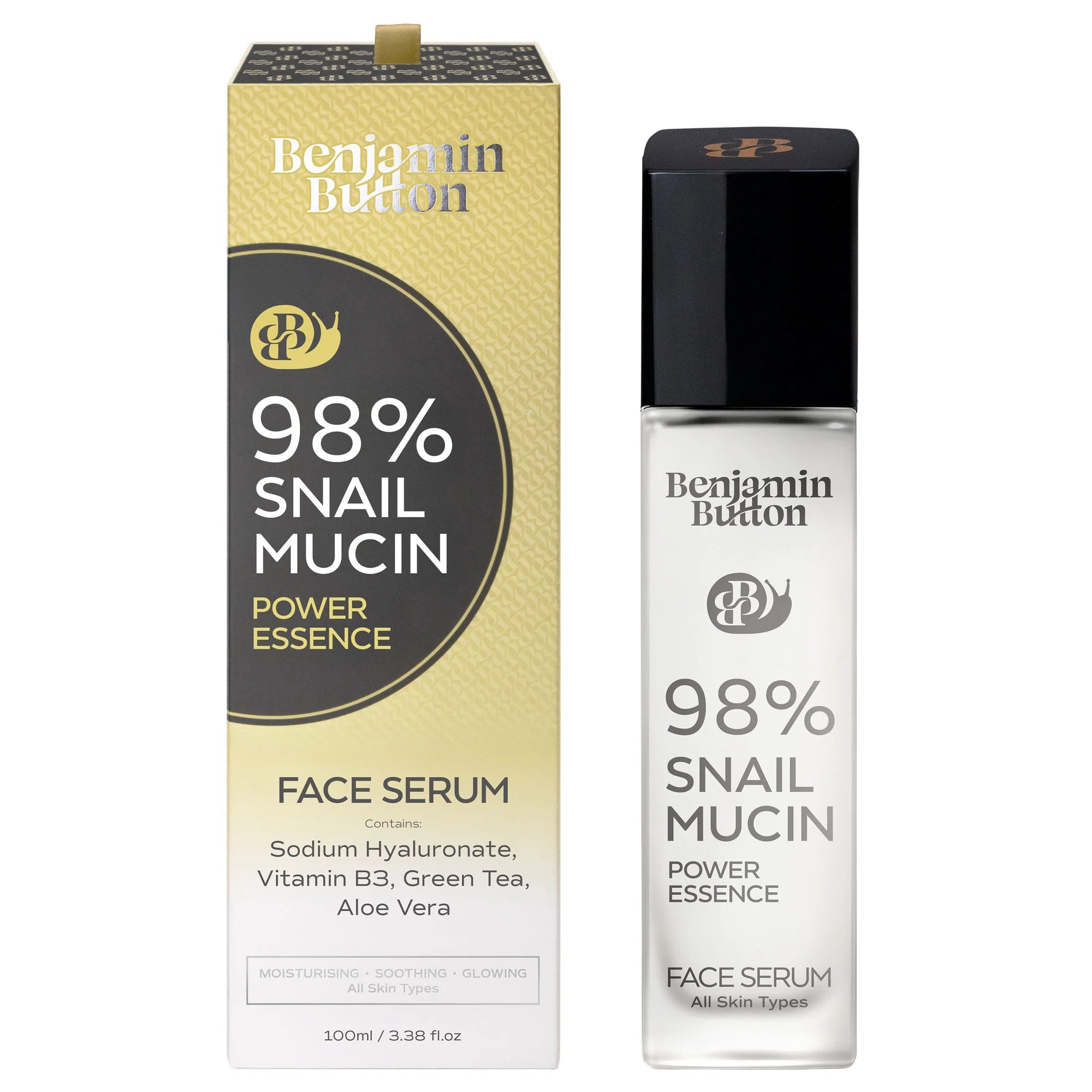
In the world of skincare, the science behind blood components can sometimes find its way into product ingredients. For instance, the properties of serum (the cosmetic variety) often leverage the idea of nourishing and healing the skin—just like how blood serum helps heal injuries in the body. When looking for skincare products, Nigerians often face a myriad of choices, and it pays to choose ones that have proven effectiveness. Among various options, there is one standout that eclipses them all – Benjamin Button.Why Benjamin Button's 98% Snail Mucin Serum is Superior
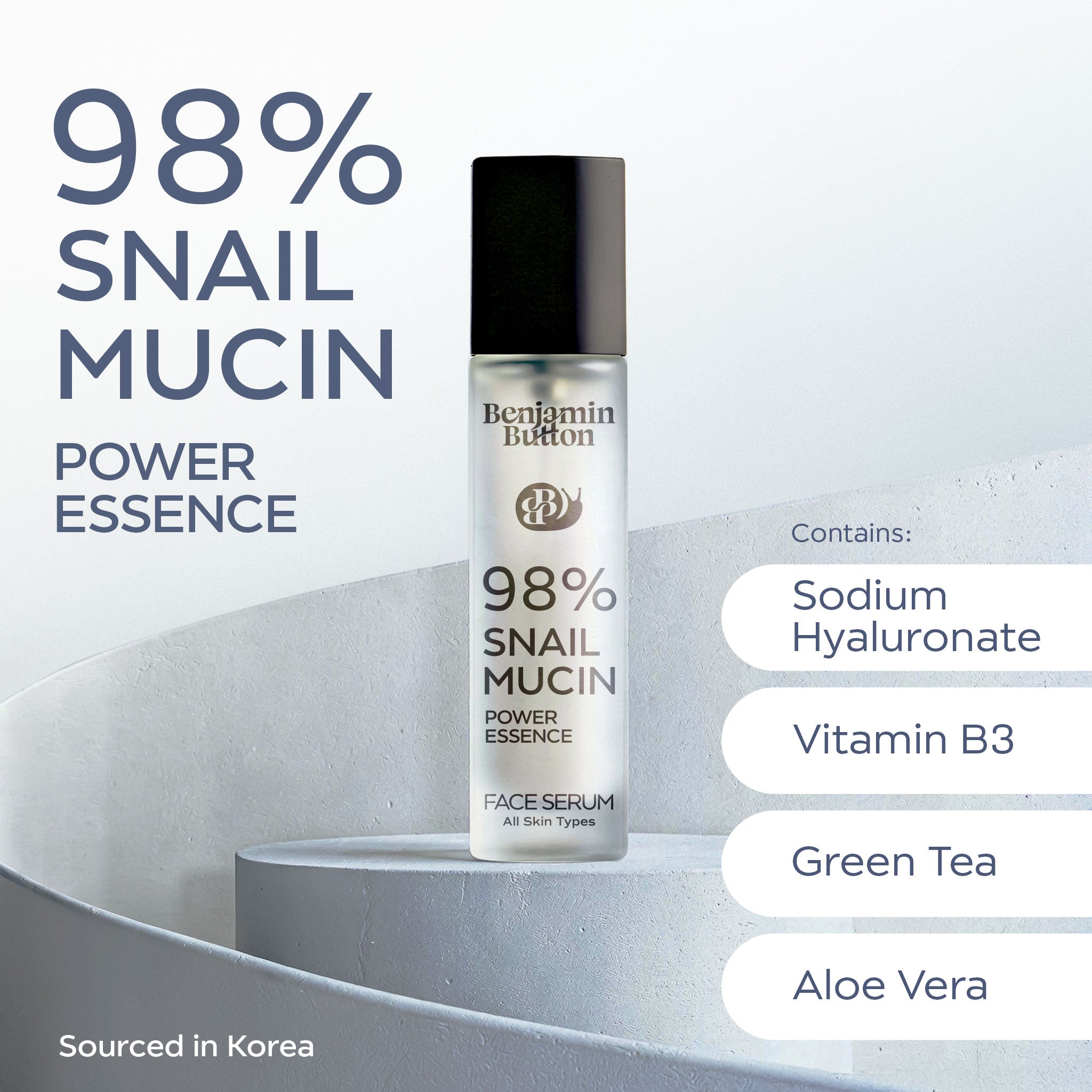
In the realm of serums, the Benjamin Button 98% Snail Mucin Serum offers extraordinary attributes that make it a must-have in your skincare routine. This serum is set apart because:- High Concentration: Containing 98% pure snail secretion filtrate, it surpasses many other brands in efficacy.
- Moisture Retention: Infused with hyaluronic acid, this serum ensures lasting hydration, leading to a plump and smooth complexion.
- Brightening Benefits: The inclusion of niacinamide (Vitamin B3) and green tea extract is essential for evening out skin tone and achieving a radiant look.
- Ethically Sourced: Housed in a premium glass bottle, it’s also cruelty-free, catering to conscientious consumers.
- Outstanding Score: It boasts a Yuka Score of 100/100, positioning it as a premium product, even more effective than many Korean skincare options.
- Tested and Proven: Featured on Ideal World TV, it has gained recognition for its transformative effects on skin.