Uncover the Amazing Benefits of Collagen Face Mask
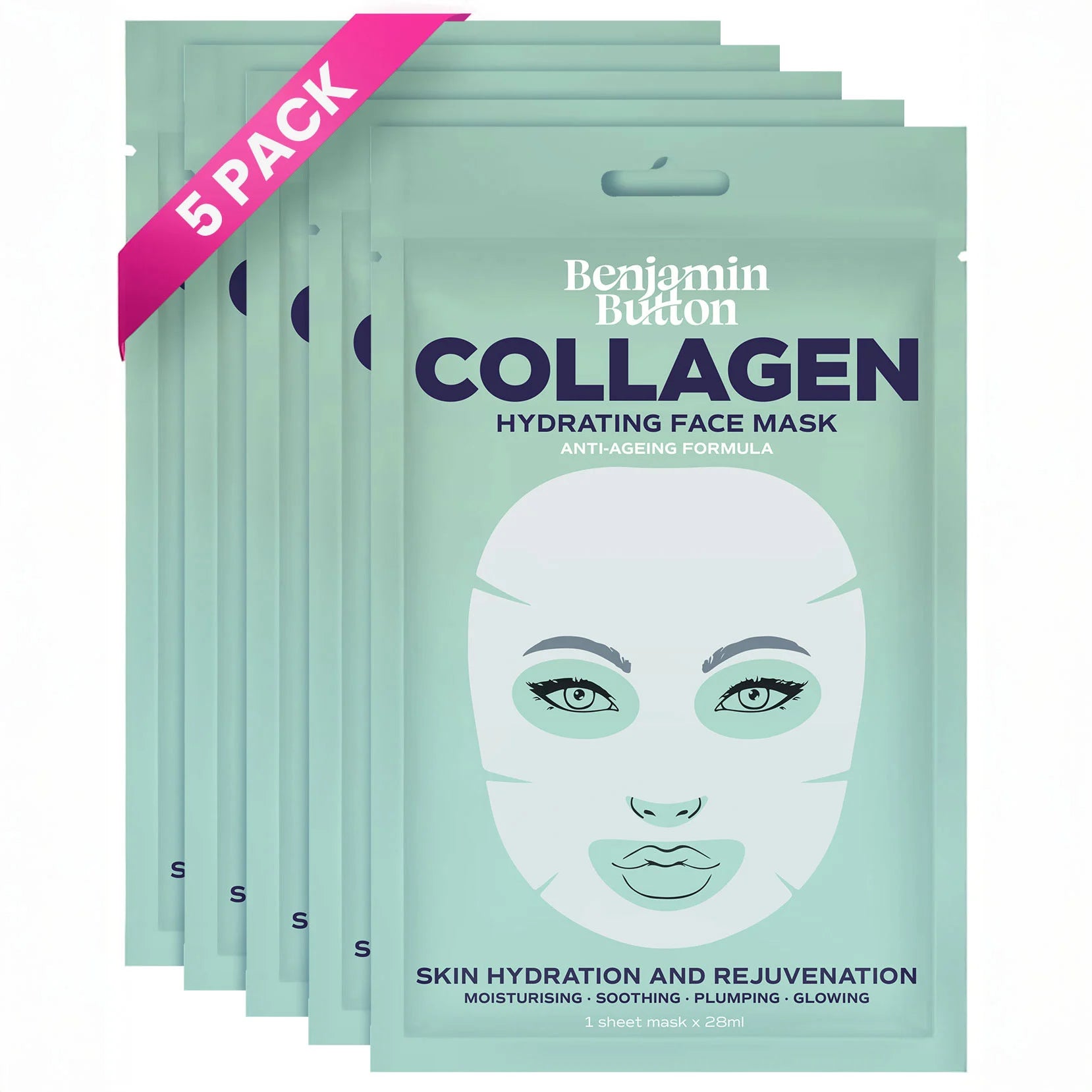
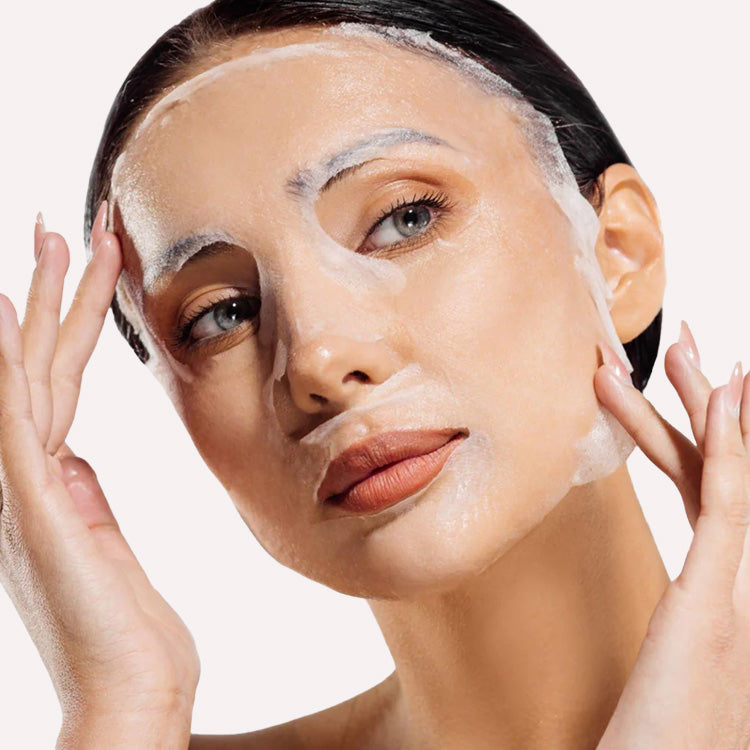
Collagen face masks are not just a fun spa treatment; the benefits of collagen face mask are extensive and worth exploring. By using these masks, you can improve your skin's hydration, elasticity, and overall appearance. One of the major collagen face mask benefits is their ability to diminish fine lines and wrinkles, giving your skin a smoother and more youthful look. Regular use can lead to a noticeable improvement in skin texture and tone, which is something many people strive for in their skincare routine. Moreover, many ask, “Is collagen mask good for sensitive skin?”. The answer can vary based on individual sensitivities, but collagen masks designed specifically for sensitive skin often include soothing ingredients to minimize irritation. You should look for masks that are free from harsh chemicals, artificial fragrances, and allergens. What does collagen mask do to your face? Primarily, it restores and maintains moisture while enhancing your skin’s natural barrier, resulting in a radiant complexion. Whether you're preparing for an event or simply indulging in self-care, collagen masks can provide that extra boost your skin craves.
Discover More Collagen Mask Benefits
There are numerous collagen masks available that cater to a variety of skin types and concerns. In addition to the common benefits, there are unique formulations that include antioxidants and essential vitamins, which can enhance skin health even further. For those who experience redness or irritation, knowing which masks are best can make a significant difference in your skincare results. Many people search for the right collagen mask benefits to support skin recovery and rejuvenation, especially after environmental stressors like sun exposure or pollution. For individuals with questions about specific conditions, consider also asking, “How often should I use a collagen face mask?” Most experts recommend using them 1-3 times a week for optimal results. The frequency can depend on your skin's condition and how it reacts to the treatment. As you find the right balance for using collagen face masks, you’ll likely notice an enhancement in your skin's resilience and comfort level with regular applications. Your journey with collagen masks can lead to transformative results while soothing sensitive skin concerns effectively. You can find more about the frequency of use in our article on how often to use a collagen face mask.Collagen face masks are renowned for their ability to enhance skin elasticity, firmness, and hydration. However, collagen isn’t the only ingredient that can take your skincare to the next level. Many collagen masks include additional ingredients that amplify benefits, target specific skin needs, and provide a more holistic skin treatment. Knowing which ingredients work well with collagen, and which to avoid for sensitive skin, can help you choose a mask that’s perfectly suited to your skincare goals.
Ingredients That Enhance Collagen Masks
-
Hyaluronic Acid (Sodium Hyaluronate): Hyaluronic acid is a superstar when it comes to hydration, attracting and retaining moisture in the skin. Pairing it with collagen helps boost skin’s plumpness and keeps it soft, smooth, and deeply hydrated.
-
Antioxidants (Vitamin C, Glutathione): Antioxidants protect skin from environmental damage and oxidative stress, which can speed up signs of aging. Vitamin C and glutathione are powerful antioxidants that work alongside collagen to brighten the complexion and even out skin tone.
-
Peptides: Peptides are amino acid chains that help stimulate collagen production in the skin. When combined with collagen, they help improve elasticity and firmness, making the skin appear more youthful and resilient.
-
Plant Extracts (Green Tea, Portulaca Oleracea, Chamomile): Many collagen face masks include plant extracts that have soothing, hydrating, or anti-inflammatory properties. Ingredients like green tea and chamomile are ideal for calming redness, while Portulaca Oleracea is known for its hydrating and antioxidative effects, supporting the skin barrier and reducing irritation.
-
Niacinamide (Vitamin B3): Niacinamide is a versatile ingredient that works well with collagen, helping to brighten the skin, reduce pores, and improve skin texture. It’s also anti-inflammatory, making it suitable for sensitive or acne-prone skin.
Ingredients to Avoid in Collagen Masks
-
Artificial Fragrances and Dyes: Synthetic fragrances and dyes are common irritants, especially for sensitive or dry skin. They don’t offer any skincare benefits and can lead to redness, itching, or breakouts.
-
Alcohol: High concentrations of alcohol in skincare can be drying and disruptive to the skin barrier. While some alcohols are beneficial (like fatty alcohols), avoid masks with drying alcohols like denatured alcohol or ethanol.
-
Parabens and Phthalates: These synthetic preservatives and plasticizers are increasingly avoided due to potential skin irritation and concerns around long-term health effects. Sensitive skin types may react to them, so choosing a paraben-free collagen mask can help prevent potential irritation.
-
Essential Oils in High Concentrations: Essential oils can offer therapeutic benefits in small doses, but high concentrations in face masks may cause irritation, especially on sensitive or inflamed skin. Lavender, tea tree, and peppermint oils can be sensitizing in excess, so look for masks with minimal or no essential oils if you have sensitive skin.
-
Harsh Exfoliants: Physical exfoliants, such as scrubs, are best avoided in collagen face masks designed to hydrate and repair. Instead, collagen masks should focus on soothing and replenishing the skin, without the risk of over-exfoliation.