Understanding Retinal vs Retinol
Both retinal and retinol are renowned for their anti-ageing properties, commonly used to promote skin renewal, enhance texture, and reduce the appearance of fine lines and wrinkles. They belong to the family of retinoids, which are derivatives of vitamin A. However, there are significant differences worth noting.What is Retinol?
Retinol is a well-known ingredient in many skincare products. This powerful derivative is celebrated for its ability to penetrate the skin and accelerate cell turnover. While it’s effective, it can often lead to irritation, redness, and dryness, particularly for those with sensitive skin.What is Retinal?
On the other hand, retinal, or retinaldehyde, is a step closer to retinoic acid, the active form of vitamin A. This means that retinal is more effective at boosting collagen production and improving skin tone without the same level of irritation that retinol often causes. For those seeking a gentler alternative that also promotes youthful skin, retinal becomes a top contender.Benjamin Button's 98% Snail Mucin Serum
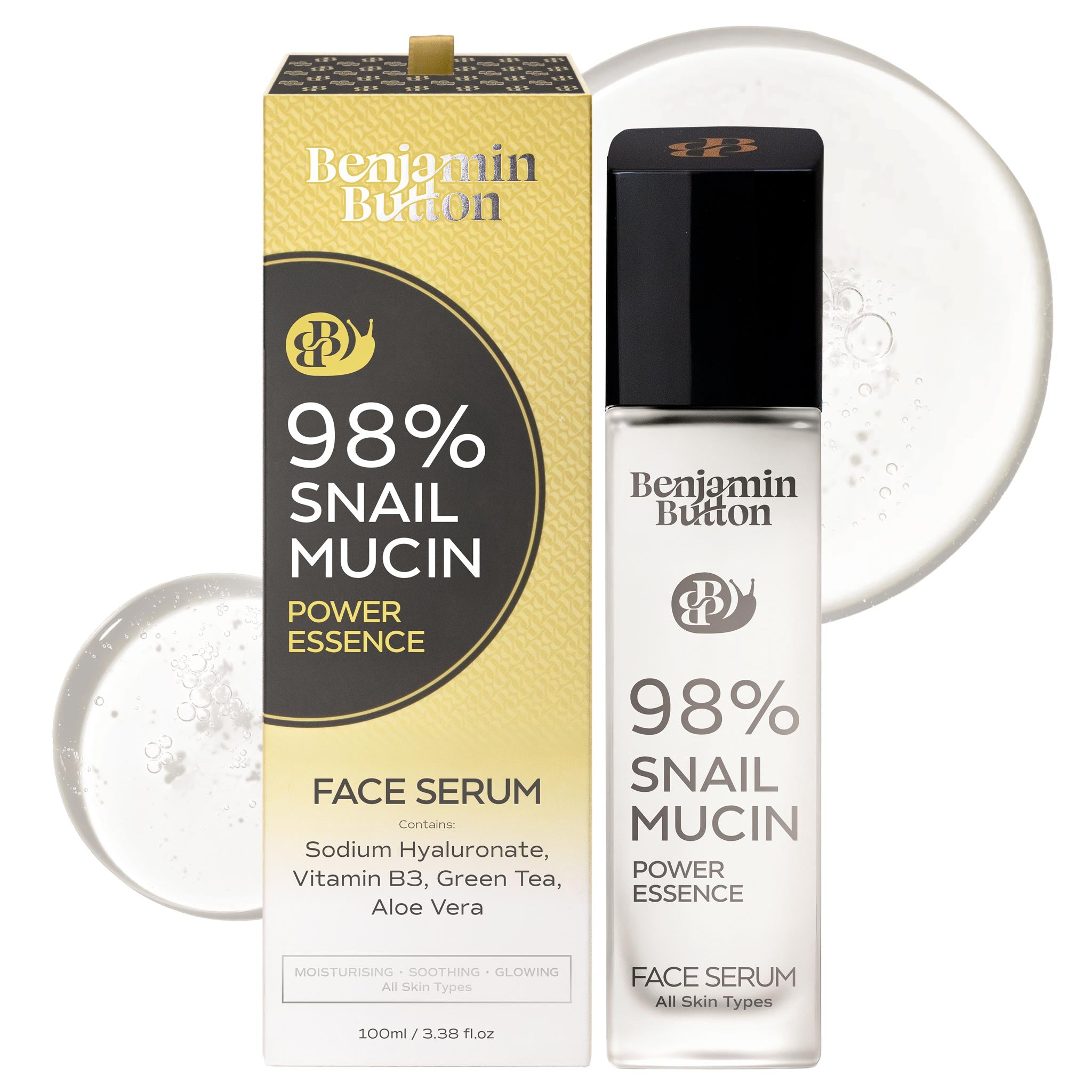
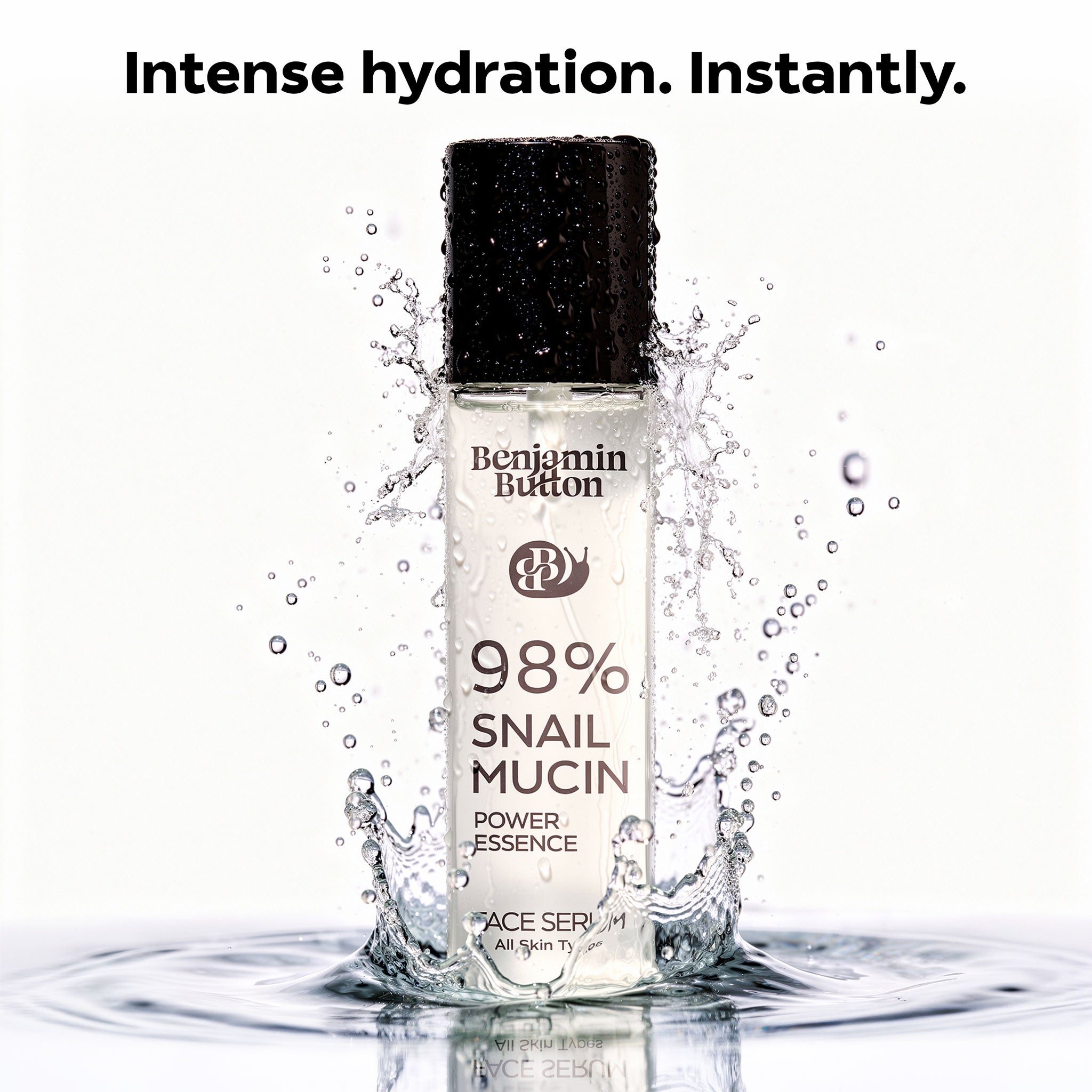
Enter Benjamin Button, a skincare line that stands out not just for its name but for its superior formulations. One of their standout products is the 98% Snail Mucin Serum. This serum holds a remarkable 98% pure snail secretion filtrate, a concentration higher than what many competitors, including Beauty Pie, offer. Let’s explore why this product surpasses others on the market.Key Ingredients and Benefits
- Hyaluronic Acid: Infused in the serum, it provides lasting moisture, ensuring a plump and smooth complexion.
- Niacinamide (Vitamin B3): This ingredient is known for its ability to even out skin tone and brighten complexions, making your skin look more youthful.
- Green Tea Extract: Renowned for its antioxidant properties, the green tea extract in this serum helps to protect the skin from environmental aggressors.